01
Coordinate
Connect independent stores, restaurants, suppliers, logistics, and existing products through shared commerce and procurement.
The food system already has farms, factories, suppliers, stores, restaurants, drivers, and customers. KOLSHEE connects them, turns independent demand into collective purchasing power, and sends clearer market signals back through the chain.
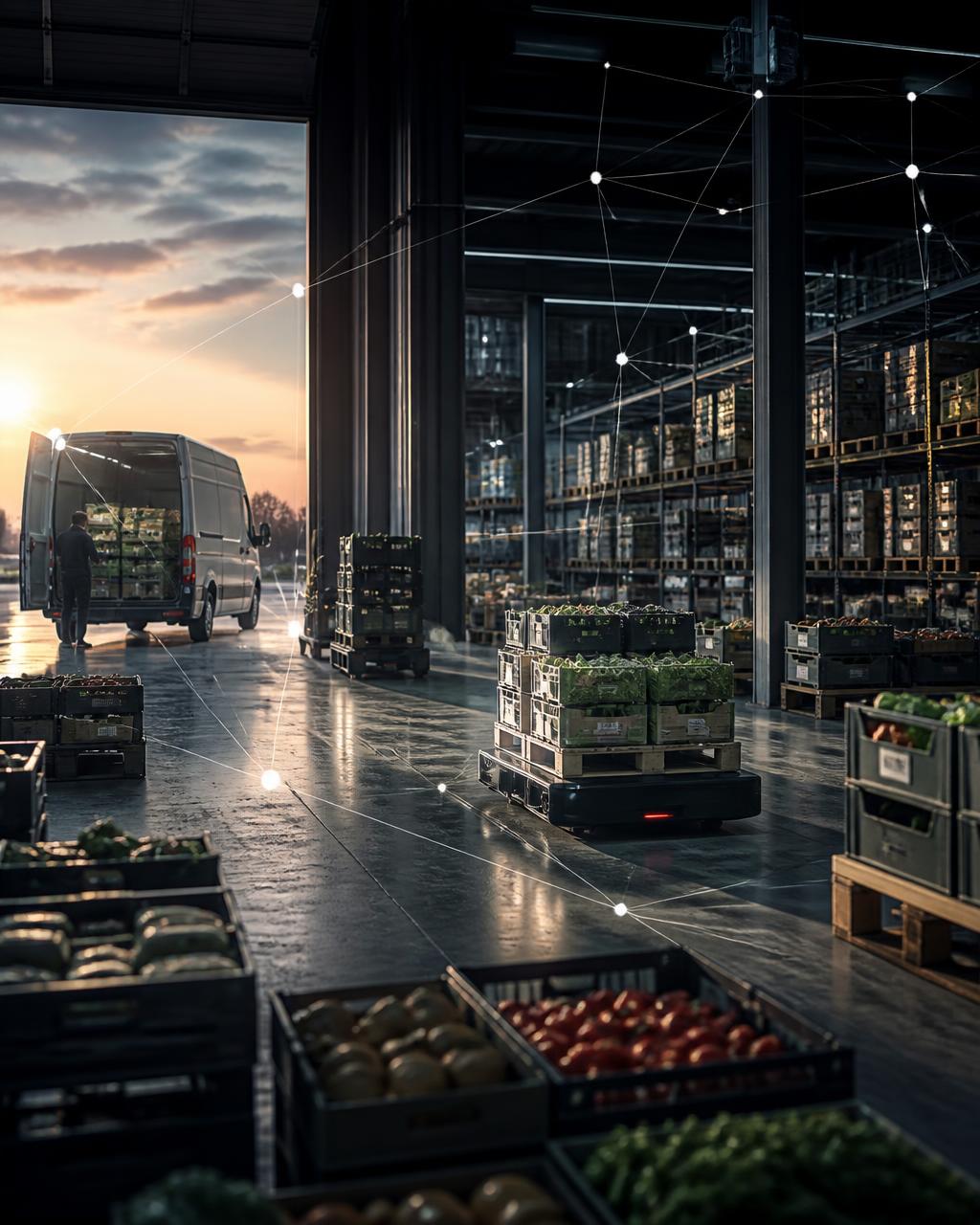
The industry does not lack data. It has fragmented data. Each participant sees one part of the picture, while the market signal fails to travel backward with the product's speed and visibility.
Independents stitch together POS, spreadsheets and phone orders. The basket breaks before it leaves the door.
Multiple suppliers, separate invoices, and manual reconciliation make purchasing fragmented and difficult to control.
Trucks roll out blind. Stockouts on one route while another route ages on the shelf.
Production plans built on stale distributor reports. Overproduction becomes waste; underproduction kills sell-through.
Drivers idle between pickups. Routes overlap. Capacity wasted across providers that never talk.
Cultural products, halal-verified items, neighborhood inventory — invisible on mainstream apps.
A connected network can negotiate on combined demand without buying every business. Over time, KOLSHEE can also own selected locations that become laboratories, distribution points, and homes for regional restaurant concepts entering new markets.
Connect independent stores, restaurants, suppliers, logistics, and existing products through shared commerce and procurement.
Work with specialists when they can import, distribute, manufacture, or deliver better and more efficiently.
Acquire only the stores and infrastructure where control creates strategic value, stronger execution, or a better customer experience.
Farm → manufacturer → importer / supplier → distribution → grocery / restaurant → customer
Customer → grocery / restaurant → supplier / distribution → manufacturer → producer / farm
KOLSHEE first builds accurate transactions, inventory records, and feedback loops. AI becomes an intelligence layer only after the connected data is reliable enough to support it.
Products move from origin to customer. Verified demand, inventory, and purchasing signals move back. KOLSHEE connects the two without rebuilding the participants that already work.
Local independent stores, exclusive inventory, cultural products — full carts, fewer substitutions.
Online ops, inventory, supplier coordination, fulfillment, analytics — built for independents, not chains.
Source smarter, coordinate supply, cut procurement waste — operational intelligence for the kitchen.
End fragmented distribution. One catalog, network forecasting, coordinated logistics.
Connect production to regional consumption signals. Less unsold inventory, less waste.
Forecasting from actual store and restaurant movement — not guesses. Distribute where you're needed.
Pre-packed orders, batched windows, optimized routes. Earnings per active hour.
POS, inventory, suppliers, HR, payroll, expenses, P&L — twelve modules that run a real grocery store. Free to install. We earn from the network, not from you.
See the Store OS →Pooled procurement, demand spikes, supplier performance, inventory movement, fulfillment efficiency — every event in the network will teach the next decision. The panels below are a product preview built on sample data, not live results.
Delivery, wholesale supply and store software already exist separately. Kolshee is the only one that runs all three on the same inventory record — which is why the cart, the purchase order and the truck can finally agree.
If a single item is missing, the basket holds — no surprise substitutions, no fake discounts.
Buy on the same lane your grocery neighbor already buys on. Better prices, no individual contracts to chase.
One catalog reaches every store on the route. Demand-gap recommendations. On-time payment.
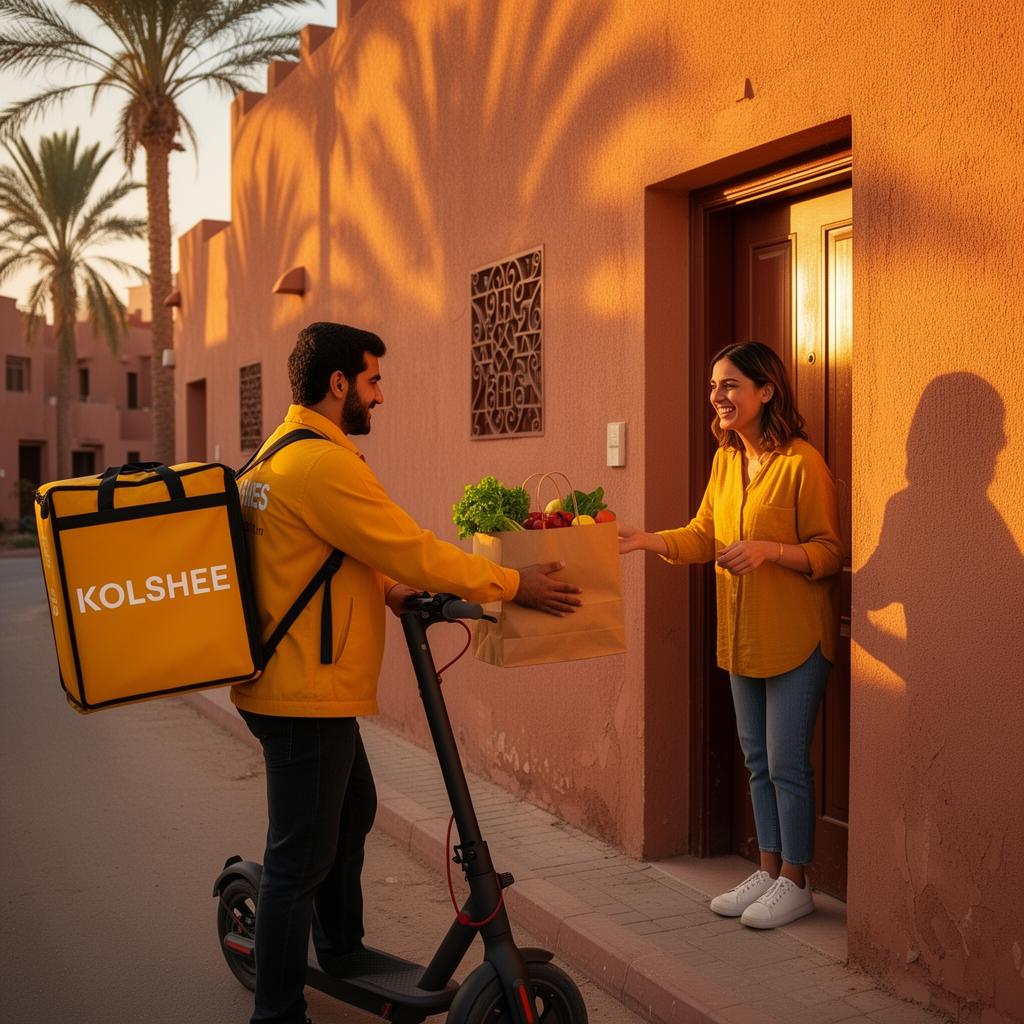
Three to four orders in one optimized window. Pre-picked. Transparent split.
Store OS, full installation, training. We earn from the network instead.
Transparent take rate on consumer baskets. Final pricing locks after pilot — contact us.
Coordination fee on pooled procurement lanes. Range disclosed on request.
Coordination fee on multi-supplier procurement, settled monthly.
Pilot pricing — final rates publish after the Boston pilot. No hidden fees, no per-seat charges, no per-SKU costs.
Both, plus the layer underneath. Customers order groceries for delivery. Stores and restaurants buy wholesale from suppliers on the same network. What makes it work is that we also run the store's inventory and point of sale, so all three sides read the same live data.
No. Kolshee is pre-launch. Boston is our first corridor and we are onboarding pilot stores now. Every number on this site is labeled as a target, a competitor benchmark, or sample data — none of it is reported performance.
Delivery is one visible service. Underneath it, KOLSHEE connects store operations, pooled procurement, suppliers, and demand signals. The goal is not to replace the food chain, but to make its existing participants work together.
Yes. Installation, training, and ongoing use are free for participating stores. Kolshee earns from the consumer take rate and pooled supplier coordination — not from the store.
The Boston pilot opens with our first stores — applications are open now. Dearborn, Paterson and Houston follow on the roadmap.
Open the audience page that fits you and apply through the form. We respond within two business days during the pilot.